
Should You Buy Furniture Before You Move? Here's What Most Homeowners Don't Consider
Reviewed & curated by Maria BanouHome Life AdvisorPublished July 29, 202622 minute read

There is no universal right answer to buying furniture before a move — only the right answer for your home, your timeline, and how you actually plan to live. Here is the framework, plus a printable checklist.
One of the biggest questions people ask before a move isn't about packing.
It's about timing.
Should you buy furniture before you move? Or should you wait until you've actually lived in the home for a while?
After years helping homeowners furnish homes — first rooms, whole houses, downsizes, upsizes, retirement moves, and everything in between — I've found the answer usually has very little to do with furniture. It has to do with how well you understand the way you'll actually live in the new home.
Some homeowners buy early and never regret it. Others buy early and spend the next two years working around a sectional that was six inches too deep for the room. And plenty of people wait, live on folding chairs for four months, and end up making rushed decisions anyway because they got tired of eating dinner standing up.
Both approaches work. Both approaches fail. What separates them isn't the calendar — it's the amount of thinking done before the credit card comes out.
This guide walks through how experienced furniture professionals think about this decision, so you can make it for your own situation instead of guessing.
Why Homeowners Struggle With This Decision
The struggle isn't really about furniture. It's about making a permanent-feeling decision with incomplete information.
When you're moving, you're being asked to predict things you can't fully know yet: how the light falls in the afternoon, where everyone naturally gathers, which room becomes the office and which one becomes the place things get dropped. You're making choices about a home you've probably only stood inside for a total of ninety minutes.
Meanwhile there's real pressure pushing you to decide early. Delivery lead times can run six to sixteen weeks. Sales cycles feel urgent. Family is asking where they'll sleep at Thanksgiving. And there's an emotional pull too — a new home feels like a fresh start, and furniture feels like the fastest way to make that fresh start real.
One pattern I've seen over the years: the homeowners who struggle most are the ones treating this as a single decision. It isn't. It's twenty smaller decisions with very different risk levels. A bed frame for a bedroom you measured is a low-risk decision. A sectional for an open-concept great room you've never lived in is a high-risk one.
Takeaway: Stop asking "should I buy now or later?" Start asking "which specific pieces am I confident about, and which ones am I guessing at?"
The Case for Buying Before You Move
Buying ahead is not the reckless option. Done well, it's often the smarter one.
Delivery timing is the biggest reason. Custom upholstery, specialty sizes, and many quality case goods aren't sitting in a warehouse. If you want a sofa in your living room the week you move in, you frequently need to order it two to four months earlier. Waiting until after the move doesn't remove the wait — it just moves the wait to the part of your life where you're already living in the house.
You may be replacing things you already know you don't want. If you've decided the old mattress isn't coming, the worn recliner is being donated, and the dining set doesn't fit your new life, those aren't speculative purchases. You're not guessing about the room; you're replacing something you've already lived without wanting.
Moving fewer pieces can genuinely cost less. Movers price by weight and volume. There's a real crossover point where paying to relocate tired furniture across the state costs more than the furniture is worth. Many homeowners don't realize the "cheap" decision to bring everything is sometimes the expensive one.
You avoid the exhaustion purchase. Unfurnished houses create pressure. Around week six, decision fatigue sets in, and people buy the thing that can be delivered fastest instead of the thing they actually wanted. Planning ahead protects you from your own future impatience.
Where buying early goes wrong: it goes wrong when the purchase is emotional rather than measured. Buying because a room in a photograph looked like your new house is different from buying because you measured the wall, checked the doorway, and confirmed the walkway clearance.
Takeaway: Buy early when the piece is a known replacement, the room is measured, and lead time genuinely matters.
The Case for Waiting Until After You Move
Waiting has an underrated advantage: information.
A home teaches you things in the first sixty days that no walkthrough will. You learn that the "formal" dining room is where the mail lands. You learn that everyone gravitates to the kitchen side of the great room and the far corner stays empty. You learn the afternoon sun on the west windows is fierce enough that a leather chair in that spot is a bad idea. You learn which doorway is the one everyone actually walks through.
One thing that often surprises homeowners: rooms almost never get used the way they were labeled on the floor plan. The fourth bedroom becomes a home gym. The den becomes the grandkids' room. The breakfast nook becomes the only place anyone eats, and the dining room gets used four times a year.
Waiting also lets you see your existing furniture in the new context. A piece you were sure you'd replace sometimes looks completely different against new walls and different light. I've watched homeowners save thousands by living with what they had for a month and discovering only two pieces genuinely needed replacing instead of the eight they'd budgeted for.
Where waiting goes wrong: waiting without a plan. If "we'll figure it out later" has no timeline, no budget, and no measurements, later becomes a year of mismatched folding furniture and a scramble before the first holiday.
Takeaway: Waiting works beautifully when it's deliberate — a defined observation period, not indefinite postponement.
The Real Deciding Factor: Five Questions
Depending on your situation, the answer flips. Here's the framework I use when a homeowner asks me directly.
1. Do I know the exact dimensions of the space — not the approximate ones? If you have real measurements, wall lengths, doorway widths, ceiling heights, and window placements, buying ahead becomes much safer. If you're working from memory or a listing photo, wait.
2. Is this a replacement or a discovery? Replacements (a mattress you know is done, a sofa that's collapsed) are safe to buy early. Discoveries (something for a room whose purpose you haven't settled) should wait.
3. Will the room's function definitely stay the same? A primary bedroom is almost always a bedroom. A flex room is rarely what the floor plan called it. Buy for the certain rooms; wait on the flexible ones.
4. What does the lead time actually require? If the item ships in a week, waiting costs you nothing. If it's a sixteen-week custom order, waiting has a real price.
5. Can I comfortably afford to be wrong about this? Some purchases are recoverable mistakes. Some aren't. Weight your caution toward the big, expensive, hard-to-return items.
Takeaway: Score each piece against these five questions. Anything that answers "yes, yes, yes, long lead time, and it's a replacement" can be bought now. Anything with two or more uncertainties should wait.
Measuring Properly Is What Makes Early Buying Safe
Nearly every "it doesn't fit" story I've heard traces back to a measurement that was never taken or was taken on the wrong thing.
Measuring the room is only half of it. The other half is measuring the path.
Here's what to capture before you buy anything:
- Wall lengths for every wall you plan to place furniture against
- Ceiling height, especially for bookcases, armoires, canopy beds, and tall headboards
- Doorway width and height — every doorway the piece must pass through, not just the front door
- Hallway width and any turns, including the diagonal at a corner
- Stairwell width and ceiling clearance if anything goes upstairs
- Elevator interior dimensions for condos, including the diagonal
- Window sill heights, so a sofa back doesn't cut across the glass
- Where outlets, vents, and light switches sit — furniture that blocks a vent creates comfort problems all summer
- The swing radius of doors and the track of sliding doors
Then measure the furniture the way it's actually delivered: overall depth including the back cushion, overall width including arms, and diagonal depth, which is the measurement that determines whether a sofa can be tipped through a doorway.
Maria's Pick: Laser Distance Measurer
A second habit worth adopting: tape the footprint on the floor. Painter's tape, the actual dimensions of the sofa or table, laid out in the real room. It takes ten minutes and it has saved more homeowners from a bad purchase than any other trick I know. Standing inside the taped outline tells you things a number on paper cannot.
Maria's Pick: 25-Foot Measuring Tape
If you'd rather work digitally, our Homeowner Toolkit includes free tools for room layout, TV viewing distance, conversation area planning, and more — useful when you're comparing options from a distance and can't get back into the house.
Takeaway: Measure the room, the path, and the piece. Then tape it out. Confident measurements turn "buying early" from a gamble into a plan.
Open Floor Plans Change Everything
If you're moving into a newer Florida home, there's a good chance you're moving into an open floor plan — and that single fact changes the furniture math more than almost anything else.
In a traditional home, walls decide the layout. In an open plan, the furniture becomes the walls. Your sofa isn't just seating; it's the boundary between the living area and the walkway. Your rug isn't decor; it's the thing telling the eye where one room ends and the next begins.
That creates practical consequences most people don't anticipate:
Furniture gets viewed from every side. In an open plan, you see the back of the sofa from the kitchen. Pieces with unfinished backs, exposed hardware, or cable runs look fine against a wall and awkward floating in a room.
Scale needs to go up, not down. Homeowners frequently under-buy for open plans. Two small chairs that anchored a closed living room disappear in a great room. The room reads as unfinished even though it's technically furnished.
Traffic paths run through the middle, not around the edges. You need to protect walkways between the kitchen, the sliders, and the front door. This is where clearances matter enormously — I go deep on the specific numbers in How Much Space Should You Leave Between Furniture?
Sound and sightlines matter. Hard floors and high ceilings in an open plan make everything louder. Upholstery, rugs, and drapery are functional choices, not just aesthetic ones.
If you want to see options in your actual space before committing, the AI Room Composer and furniture visualizer tools in our planning suite let you test scale and placement against a photo of your own room. It's not a substitute for measuring, but it's very good at catching "that's too small" before delivery day.
Takeaway: In an open plan, buy fewer pieces at larger scale, finish the backs, and protect the walkways first.
What to Buy First: Prioritizing the Essentials
When homeowners ask me what to buy before a move, my honest answer is usually "less than you think, but the right less."
Here's the priority order that consistently works:
Tier one — buy before you move if at all possible:
- Beds and mattresses for everyone who will sleep there on night one
- A place to eat, even a modest one
- Basic seating in the main living area
- Window coverings for bedrooms and any street-facing glass
Mattresses in particular deserve early attention because sleeping badly for six weeks colors your entire experience of the new home. If you're choosing one, don't rush the fit — and once it's in, a little maintenance goes a long way, which is why I wrote Should I Rotate My Mattress?
Tier two — buy within the first 60 to 90 days:
- Dining table sized to the room you now know how you use
- Storage: dressers, media consoles, entry storage
- Office furniture, once you know which room becomes the office
- Guest room pieces
Tier three — buy when you're ready, and not before:
- Accent chairs
- Secondary seating areas
- Outdoor and lanai furniture
- Bar stools and specialty pieces
- Anything decorative
Takeaway: Sleep, eat, sit. Everything else can wait until the house has told you what it needs.
Mistakes Furniture Professionals See Over and Over
A common mistake is assuming the problem will be size. Usually it's something subtler.
- Measuring the room but not the doorway. The single most frequent delivery failure.
- Forgetting the diagonal depth of a sofa. Width fits; the tip-through doesn't.
- Buying a set because it's a set. Matched suites often produce rooms that feel like showrooms and live like hotels.
- Underestimating scale in a large room. Especially in vaulted or open plans.
- Buying for the holiday, not the year. Sizing a dining table for the twelve people who visit once instead of the four who eat there nightly. There's a full breakdown in What Size Dining Table Fits Your Room?
- Not checking the return and cancellation window against the closing date. If your closing slips, does your return clock still run?
- Ignoring Florida's climate realities. Humidity, salt air, and constant air conditioning affect wood joints and leather over time. See Can Humidity Ruin Furniture? and Can Leather Furniture Crack in Florida?
- Placing upholstery in direct west-facing sun. Fade and dryness both accelerate.
- Buying storage before knowing what you're keeping. Sort first, then buy the storage that fits what survived.
- Assuming the old rug will work. Rug size is the most common mismatch after a move.
- Forgetting the lanai or patio exists. It's often the most-used "room" in a Florida home and the last one furnished.
- Making every decision at once while exhausted. Fatigue is the real enemy, not budget.
Takeaway: Most furniture regret is a logistics problem wearing a design costume.
Building a Phased Furnishing Plan
I've found homeowners are often happier when they stop trying to finish the house and start sequencing it.
Phase 0 — Before the move (or before closing): Measure everything. Decide what's coming and what isn't. Order only tier-one items with long lead times. Confirm delivery dates against your move date, with a two-week buffer.
Phase 1 — Days 1 to 30: Live in it. Resist buying. Note where people actually sit, where light is harsh, where traffic bottlenecks, and what room is quietly becoming something else. Keep a running list on your phone.
Phase 2 — Days 30 to 90: Now buy tier two. You have real information: how the room is used, where the sun hits, how many people actually eat at the table. This is when measurements become decisions.
Phase 3 — Days 90 to 365: Fill in tier three. Accent pieces, outdoor furniture, the guest room upgrade. These purchases are far better after you've hosted once and cooled off from the move.
If you're still in the logistics part of this, the Moving Hub walks the whole relocation stage by stage — planning, budget, quote comparison, sorting what to keep, preparation, moving day, and settling in. The SmartMove Box Organizer inside it is particularly useful when you're deciding which furniture and household items are worth moving at all.
Takeaway: A phased plan beats a perfect plan. Sequence the house instead of solving it.
Budget Planning That Survives Contact With Reality
Furnishing budgets fail for predictable reasons, and almost none of them are the furniture price.
Budget in tiers, not totals. Assign a number to tier one, tier two, and tier three separately. A single lump-sum number gets spent on whatever you shop for first, which is rarely the most important thing.
Reserve 15 to 20 percent for the invisible list. Window treatments, rugs, lamps, mattress protectors, delivery fees, assembly, haul-away of old pieces, and the small hardware you didn't think about. This category is routinely underestimated by half.
Count the cost of moving what you own. Get the mover's estimate itemized. Sometimes the honest comparison is "spend $900 relocating this bedroom set, or $1,400 replacing it with something that fits." That's a real decision, not an extravagance.
Protect the sleep budget. If something has to be trimmed, trim the accent chair before the mattress. You'll interact with your mattress roughly 2,900 hours a year.
Watch for the delivery-date/payment-date mismatch. Many people pay in full months before delivery. Make sure that timing doesn't collide with closing costs.
Takeaway: Budget by tier, reserve for the invisibles, and never let the least-used purchase crowd out the most-used one.
Room-by-Room Planning Notes
Primary bedroom: Certain function, safe to buy early. Confirm the bed leaves at least 24 to 30 inches of walking clearance on each side, and check that nightstand height roughly matches mattress top.
Living room / great room: The room most worth waiting on if it's open concept. Measure the walkways first, seating second.
Dining area: Size for daily use, not holidays. Extension tables solve this better than oversized fixed tables.
Kitchen and breakfast area: Check counter height before buying stools — counter (36 inches) and bar (42 inches) take different seat heights, and this gets confused constantly.
Home office: Almost always ends up in a different room than planned. Wait.
Guest room: Great candidate for phase three. A quality mattress and a place to put a suitcase beats a full suite.
Lanai / outdoor: In Florida, plan for sun exposure and rain, and buy for the direction the space faces. Also worth knowing: your indoor climate affects your furniture, and your filter affects your climate — a small habit covered in How Often Should You Change Your AC Filter?
Takeaway: Buy confidently for rooms with fixed purposes. Wait on rooms that are still auditioning.
Common Myths Worth Retiring
"You should never buy furniture before you move." Not true. You shouldn't buy *unmeasured* furniture before you move.
"If it fit in the old house, it'll fit in the new one." Square footage doesn't predict layout. A larger house with a worse traffic pattern can accommodate less furniture.
"Buying everything at once saves money." It sometimes saves on delivery. It regularly costs more in returns, replacements, and pieces that never get used.
"Wait for the sale." Furniture is on some kind of promotion nearly always. The right piece at the right size beats the wrong piece at a discount.
"I'll just return it if it doesn't work." Large furniture returns often carry restocking fees and pickup charges, and custom orders usually aren't returnable at all. Read the policy before, not after.
Takeaway: Skepticism is cheaper than restocking fees.
Moving-Day Preparation for Furniture
A few practical habits that prevent the most common day-of problems:
- Print or sketch a simple floor plan with each piece labeled, and give a copy to the movers. It costs nothing and eliminates the "where does this go?" pile.
- Decide bed assembly order first. Beds should be assembled before anything else lands in the bedroom.
- Keep hardware in labeled bags taped to the underside of each piece.
- Photograph the back of electronics before disconnecting.
- Measure the new home's doorways *before* moving day, not while a mover is standing in one.
- Have felt pads and a rubber mallet accessible, not packed.
- Plan a staging zone — usually the garage — for anything that doesn't have a confirmed home yet.
- Confirm delivery windows for new furniture don't collide with the moving truck.
Takeaway: Moving day rewards decisions made a week earlier.
Printable Moving Furniture Checklist
Before you buy anything
- [ ] Wall lengths measured for every furnished wall
- [ ] Ceiling height recorded
- [ ] All doorway widths and heights recorded
- [ ] Hallway widths and turn clearances recorded
- [ ] Stairwell or elevator dimensions recorded (if applicable)
- [ ] Window sill heights recorded
- [ ] Outlet, vent, and switch locations noted
- [ ] Existing furniture measured, including sofa diagonal depth
- [ ] Keep / donate / sell decision made for every large piece
- [ ] Mover's itemized estimate reviewed against replacement cost
Before you order
- [ ] Footprint taped on the floor and walked around
- [ ] Delivery lead time confirmed in writing
- [ ] Delivery date checked against move-in date with a buffer
- [ ] Return, restocking, and cancellation policy read
- [ ] Doorway clearance confirmed against the delivered dimensions
- [ ] Sun exposure of the placement considered
- [ ] Budget assigned to the correct tier
First 30 days in the home
- [ ] Noted where people actually sit and gather
- [ ] Noted actual traffic paths
- [ ] Confirmed real function of every flex room
- [ ] Re-measured anything that changed
- [ ] Updated the tier two list based on real use
Takeaway: If you complete this list, you can buy at any point on the calendar with confidence.
Two Homeowner Examples
The early buyers who got it right. A couple relocating from the Midwest ordered only three things before closing: a mattress, a dining table, and window blinds for the bedrooms. Everything else waited. Their reasoning was simple — those three items were certain, and two of them had long lead times. They moved in comfortably, slept well, ate at a table, and spent the next three months learning the house before furnishing the great room. They ended up buying less than they'd planned and liking it more.
The early buyers who didn't. A family bought a full living room package from a photograph six weeks before closing because the promotion ended that weekend. On paper the sectional fit. In reality, it blocked the walkway to the lanai and forced everyone to route through the kitchen. Nothing was wrong with the furniture. It was simply eleven inches too deep for a room they hadn't measured. Replacing it cost far more than the promotion had saved.
Every move is a little different. The difference in these two stories wasn't timing. It was measurement and restraint.
The Bigger Picture
The best time to buy furniture isn't determined by a calendar. It's determined by how well you understand the home you're moving into and the life you're building inside it.
Furniture is the most physical expression of how a household lives — where people gather, how they rest, whether a room welcomes a walker or a toddler or a holiday crowd. Getting the timing right matters far less than getting the thinking right.
So buy early where you're certain. Wait where you're not. Measure everything either way. And give the house a little time to tell you what it needs before you finish deciding.
Here's the question worth sitting with:
If you moved into your new home tomorrow, which furniture decisions would you feel completely confident about — and which ones might benefit from waiting until you've lived in the space for a little while?
The honest answer to that question is usually your plan.
Homeowners Also Ask
How far in advance should I order furniture for a new home? For in-stock items, two to four weeks is usually enough. For custom upholstery or special-order case goods, plan on eight to sixteen weeks. Confirm the lead time in writing and add a two-week buffer against closing or move-in delays.
Is it cheaper to move old furniture or buy new? It depends on distance and weight. Get an itemized moving estimate per room. When relocating a piece costs more than half its replacement value — and you weren't attached to it — replacing is often the better decision.
What furniture should I buy first when moving into a new house? Beds and mattresses, a place to eat, basic living room seating, and bedroom window coverings. Those four cover the first night comfortably. Everything else can be sequenced over the following months.
Should I buy a mattress before moving? Usually yes, if the current one is worn out. Sleep quality shapes how you experience the entire move, and mattress delivery is often faster than upholstery. Just measure the bedroom and confirm the stairwell or elevator clearance first.
How long should I wait before furnishing a new home completely? Most homeowners make better decisions after roughly 30 to 90 days of living in the space. That's usually long enough to learn traffic patterns, real room functions, and light exposure without stalling into indefinite postponement.
Do open floor plans need more furniture or less? Usually fewer pieces at a larger scale. Open plans need furniture that defines zones and protects walkways, with finished backs since pieces are viewed from all sides. Small, scattered pieces make an open room feel unfinished.
What measurements do movers actually need? Doorway widths and heights, hallway widths and turns, stairwell clearance, and elevator dimensions including the diagonal — plus the overall and diagonal depth of each large piece. A labeled floor plan handed to the crew prevents most day-of confusion.
Need a Second Opinion?
Whether you're relocating, downsizing, preparing for retirement, welcoming a new family member, furnishing a new home, or simply trying to make smarter home decisions, I'm here to help.
Schedule a complimentary consultation with Maria Banou. No pressure and no sales pitch — just a practical conversation about your measurements, your timeline, and what will actually work in the home you're moving into.
Recommended Next Resource
Your Resource Journey — the next step homeowners take after a resource like this one.
- Fusion Compare™Compare your options side by sideSee the real trade-offs between the choices in front of you.Estimated reading time: 7 min comparisonWhy this is recommendedComparing your options side by side is what turns background reading into a shortlist.Continue
- Decision GuideDecide with a complete guideEverything that matters for this decision, in the order it matters.Estimated reading time: 8 min readWhy this is recommendedYou've done the background — this guide brings the whole decision together in one place.Continue
- AssessmentCheck where you actually standA short evaluation that turns general guidance into your situation.Estimated reading time: 4 min assessmentWhy this is recommendedA short evaluation applies everything you've read to your own home rather than the general case.Continue
Furniture Collection
Choosing pieces that fit the room, the household and the years ahead.
Keep going
Helpful next steps
Complimentary, no-pressure resources that follow the decision you're working through.
Home Advisor
Guided help choosing what to do next in your home.
Learn moreHomeowner Planning Tools
Complimentary calculators and planners for real home decisions.
Learn moreFusion Library
More homeowner guidance across every stage of owning a home.
Learn moreAsk Maria
Talk through the decision you're actually making and get practical guidance.
Learn moreWas this guide helpful?
If you have an idea or suggestion that could help more homeowners, we'd love to hear it.
Talk it through
Planning your next home decision?
Whether you're evaluating a home, furnishing a room, improving sleep, relocating, downsizing, or simply trying to make smarter home decisions, Total Home Fusion provides practical guidance before you invest your time and money.
About the author
About Maria Banou
Maria Banou is the founder of Total Home Fusion, a homeowner decision platform focused on helping people think through the practical choices surrounding where they live, what they buy for their homes, and how their homes support everyday life. Her work includes furniture selection, sleep comfort, room planning, relocation, downsizing, Florida homeowner considerations, aging-in-place planning, and practical home decision guidance.
- Furniture Selection
- Sleep Comfort
- Room Planning
- Downsizing & Relocation
- Florida Homeowner Guidance
- Aging in Place Planning
- Home Decision Guidance
Connected guidance
More Homeowner Insights
Related resources from the Fusion Library™, chosen to continue the same decision.

Does Your Home Still Fit Your Life? 10 Signs It's Time to Reevaluate Your Space
Many homeowners update their lives but forget to update their homes. Learn the 10 signs your space may no longer be working for you and discover simple ways to create a home that better supports your everyday life.
Knowledge GuideRead Article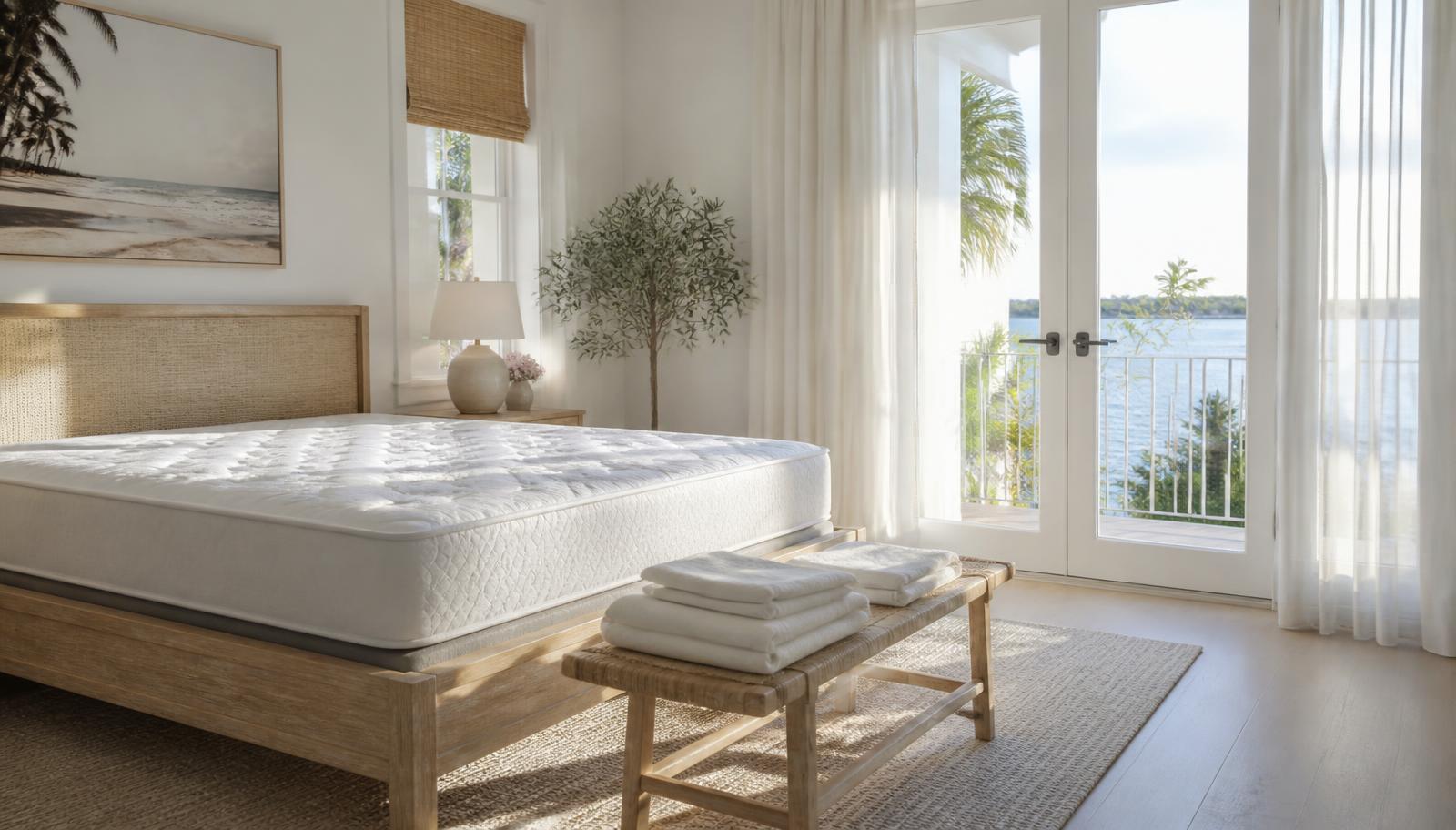
Should I Rotate My Mattress? Here's What Most Homeowners Get Wrong
Most homeowners were told to flip and rotate their mattress. That advice is only half right today — and flipping the wrong mattress can ruin it. Here is how rotation actually works, why mattresses wear where they do, and the simple habits that add years of comfort.
Knowledge GuideRead Article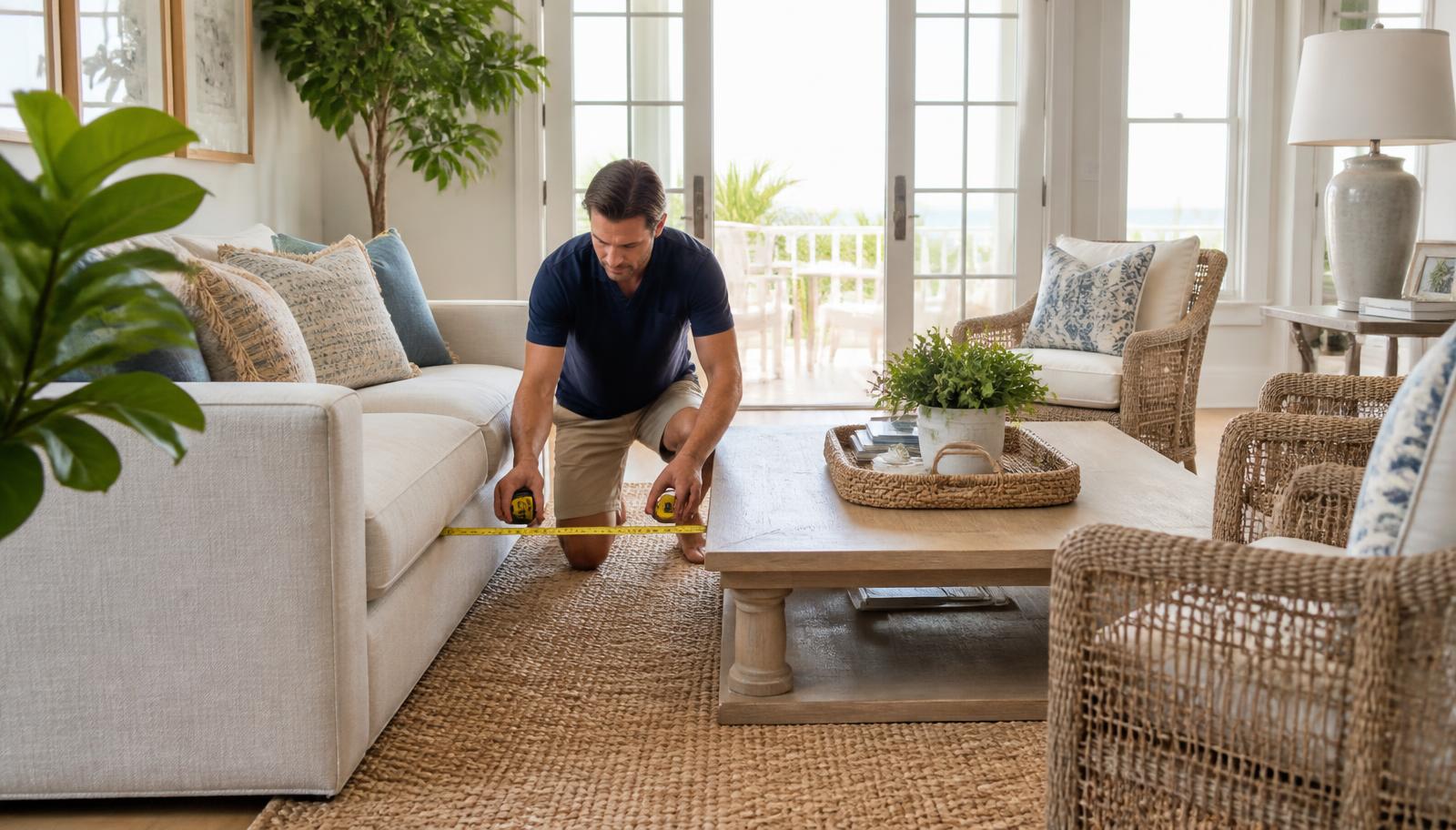
How Much Space Should You Leave Between Furniture? A Homeowner's Room Layout Guide
Furniture that fits isn’t the same as furniture that works. A practical guide to walkways, seating clearances, and the spacing decisions that quietly make a home easier to live in — with a printable checklist.
Knowledge GuideRead ArticleQuick answers
Frequently asked questions
Can I order furniture before I close on a house?
You can, but tie the order to the closing date carefully. Ask the retailer what happens if closing is delayed: whether delivery can be rescheduled without penalty, how long they will hold the order, and whether storage fees apply. Also confirm the cancellation window, since custom orders usually become non-cancellable once production begins. If closing feels uncertain, limit pre-closing orders to long-lead-time essentials you would want regardless of which home you end up in.
What should I do if furniture arrives before the house is ready?
Ask about retailer storage first, since many will hold an order for a limited period, sometimes at no charge. If that is not available, compare short-term climate-controlled storage against a delivery delay fee. Avoid storing upholstery or solid wood in a hot, non-climate-controlled garage or unit in Florida, where heat and humidity can affect adhesives, joints, and leather over even a few weeks.
How do I know if my existing furniture is worth moving?
Ask three questions: does it fit the new room, do you still like it, and does moving cost less than replacing it? If any answer is no, it is a candidate for donation or sale. Pay special attention to pieces that were already showing wear, since moving stress often finishes off loose joints and tired frames. Furniture that only works in one specific old room rarely earns its move.
Should I furnish a room before I know what it will be used for?
Generally no. Flex rooms are the single biggest source of furniture regret because they almost never end up being what the floor plan called them. Give the room 30 to 60 days of real life first. In the meantime, a folding table, a lamp, and a rug are enough to make the space usable while you learn whether it becomes an office, a guest room, a gym, or a playroom.
How much should I budget for furnishing a whole home?
Rather than a fixed number, budget by tier: essentials you need on night one, second-wave pieces at 30 to 90 days, and everything else after that. Then reserve an extra 15 to 20 percent for the items people forget — window treatments, rugs, lamps, delivery, assembly, and haul-away. That reserve is the most commonly underestimated part of any furnishing budget.