
Does Your Home Still Fit Your Life? 10 Signs It's Time to Reevaluate Your Space
Reviewed & curated by Maria BanouHome Life AdvisorPublished July 1, 2026Updated July 29, 20264 minute read

Many homeowners update their lives but forget to update their homes. Learn the 10 signs your space may no longer be working for you and discover simple ways to create a home that better supports your everyday life.
At some point, every homeowner experiences a subtle shift. Nothing is technically wrong. The house still looks the same. The furniture is still there. But something feels different. Your home no longer seems to flow as naturally as it once did. That's because life changes faster than houses do. Many of us continue living inside a version of our home that was designed for a previous chapter of our lives. One of the most valuable questions a homeowner can ask is not, "Do I need a bigger house?" It's, "Does my home still support the life I'm living today?" Here are ten signs it may be time to reevaluate your space. One Room Has Become a Storage Unit Every home has one. The formal dining room nobody uses. The spare bedroom filled with boxes. The office that slowly transformed into a catchall space. Unused rooms often signal an opportunity rather than a problem. Ask yourself: If this room disappeared tomorrow, would I miss it? If the answer is no, it may be time to repurpose it. Your Daily Routines Feel More Complicated Than They Should Great homes quietly make life easier. Poorly functioning homes create unnecessary friction. Pay attention to your daily habits. Do you constantly carry items from room to room? Do family members compete for the same space? Are there areas that feel congested every day? Your home should support your routines, not complicate them. Your Family Dynamic Has Changed Homes rarely update themselves when life changes. Some common examples include: Children moving out. Adult children moving back in. Parents moving in. Remote work becoming permanent. A blended family. Each life transition creates new needs. Your home should evolve alongside them. You Purchased Furniture for a Different Stage of Life This one surprises people. Many homeowners are still using furniture selected 10, 15, or even 20 years ago for a completely different lifestyle. That doesn't necessarily mean replacing everything. It simply means evaluating whether your home still supports how you live today. Comfort often deserves more attention than habit. Your Home Feels More Like a To Do List Than a Sanctuary A home should not feel like a second full time job. Sometimes homeowners slowly accumulate responsibilities without realizing it. Too many decorative items. Too many underused possessions. Too many projects waiting to happen. Simplifying often creates more peace than upgrading. You Work From Home But Your Home Wasn't Designed For It This is one of the biggest shifts in recent years. Many homeowners are trying to fit a modern work lifestyle into an older home setup. Even small changes can improve functionality. Lighting. Storage. Seating. Privacy. Your work environment directly impacts your energy levels. Guests Are More Comfortable Than You Are This is surprisingly common. Many people design their homes for occasional visitors instead of everyday life. Ask yourself an honest question. Who is your home really serving? Your comfort should never be secondary. You're Thinking More About Maintenance Than Enjoyment Homeownership requires responsibility. But it shouldn't consume your attention. If your weekends are entirely dedicated to maintaining your house, it may be time to reassess priorities. The goal is not perfection. The goal is sustainability. You're Preparing For Retirement But Your Home Isn't This question becomes increasingly important over time. Can you comfortably navigate your home? Would certain spaces become difficult to access? Are there opportunities to simplify daily living? Planning early often creates more options later. Your Home No Longer Reflects Your Priorities Perhaps this is the biggest sign of all. Our priorities evolve. Sometimes our homes simply need permission to evolve with us. Your home doesn't have to be bigger. It doesn't have to be trendier. It simply needs to support the life you're actively creating. Final Thought I've learned that the best homes aren't necessarily the most expensive ones. They're the ones that quietly support everyday life without demanding constant attention. Sometimes the smartest home decision isn't buying something new. It's rethinking what you already have. Your home should adapt as your life changes. Not the other way around. Thought Provoking Question If you were moving into your own home today for the very first time, what would you do differently?
Need a second opinion? Whether you're relocating, downsizing, preparing for retirement, welcoming a new family member, or simply trying to make smarter home decisions, I'm here to help. Schedule a complimentary consultation with Maria Banou.
Disclaimer The information provided on this website is intended for educational and informational purposes only and should not be considered professional, legal, insurance, financial, engineering, home inspection, contractor, or other professional advice. Every home and situation is unique. Always consult qualified professionals regarding decisions specific to your property.
Recommended Next Resource
Your Resource Journey — the next step homeowners take after a resource like this one.
- Fusion Compare™Compare your options side by sideSee the real trade-offs between the choices in front of you.Estimated reading time: 7 min comparisonWhy this is recommendedComparing your options side by side is what turns background reading into a shortlist.Continue
- Decision GuideDecide with a complete guideEverything that matters for this decision, in the order it matters.Estimated reading time: 8 min readWhy this is recommendedYou've done the background — this guide brings the whole decision together in one place.Continue
- AssessmentCheck where you actually standA short evaluation that turns general guidance into your situation.Estimated reading time: 4 min assessmentWhy this is recommendedA short evaluation applies everything you've read to your own home rather than the general case.Continue
Room Planning Collection
Measure, lay out and plan a room before anything is ordered.
Keep going
Helpful next steps
Complimentary, no-pressure resources that follow the decision you're working through.
Home Advisor
Guided help choosing what to do next in your home.
Learn moreHomeowner Planning Tools
Complimentary calculators and planners for real home decisions.
Learn moreFusion Library
More homeowner guidance across every stage of owning a home.
Learn moreAsk Maria
Talk through the decision you're actually making and get practical guidance.
Learn moreWas this guide helpful?
If you have an idea or suggestion that could help more homeowners, we'd love to hear it.
Talk it through
Planning your next home decision?
Whether you're evaluating a home, furnishing a room, improving sleep, relocating, downsizing, or simply trying to make smarter home decisions, Total Home Fusion provides practical guidance before you invest your time and money.
About the author
About Maria Banou
Maria Banou is the founder of Total Home Fusion, a homeowner decision platform focused on helping people think through the practical choices surrounding where they live, what they buy for their homes, and how their homes support everyday life. Her work includes furniture selection, sleep comfort, room planning, relocation, downsizing, Florida homeowner considerations, aging-in-place planning, and practical home decision guidance.
- Furniture Selection
- Sleep Comfort
- Room Planning
- Downsizing & Relocation
- Florida Homeowner Guidance
- Aging in Place Planning
- Home Decision Guidance
Connected guidance
More Homeowner Insights
Related resources from the Fusion Library™, chosen to continue the same decision.
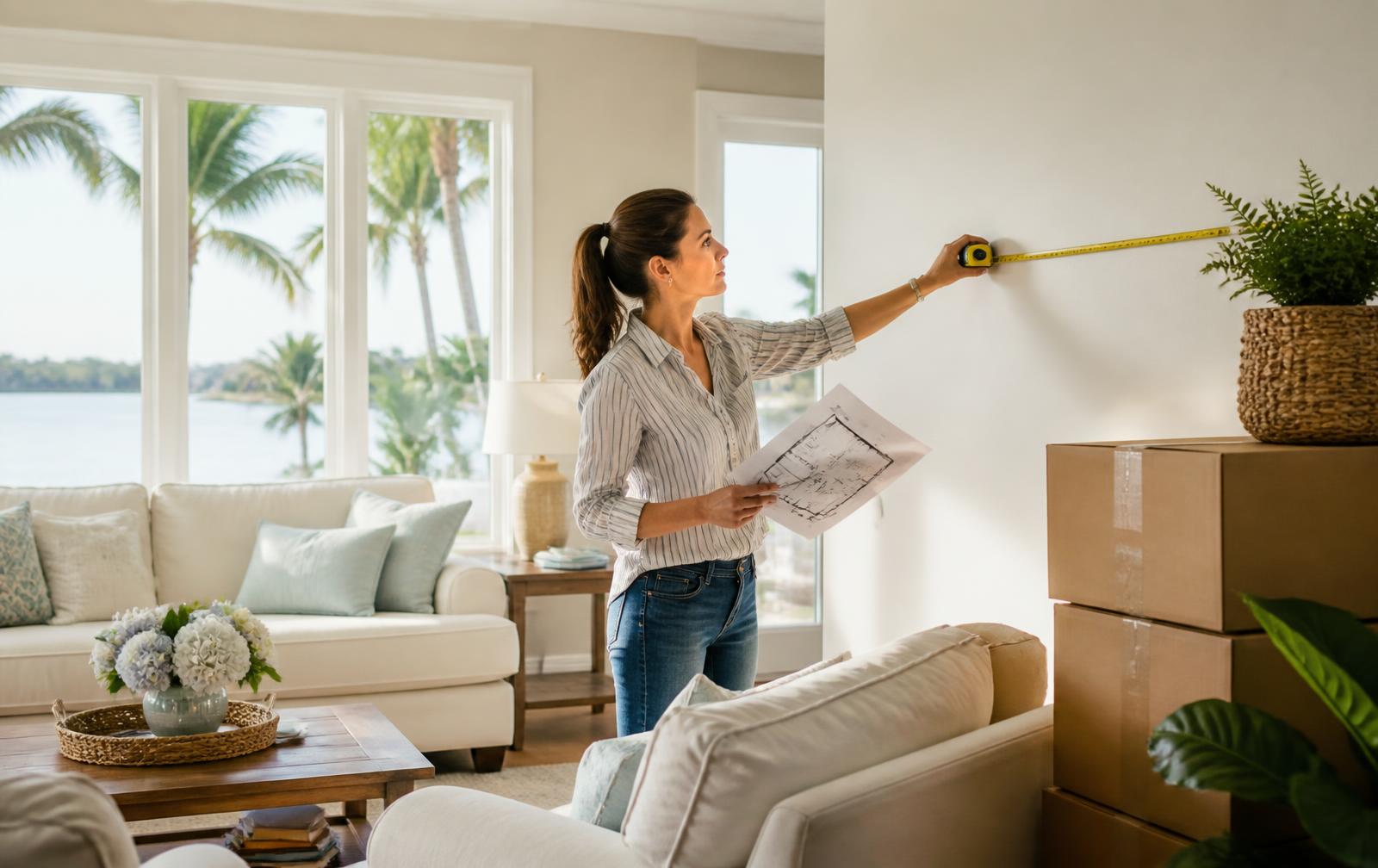
Should You Buy Furniture Before You Move? Here's What Most Homeowners Don't Consider
There is no universal right answer to buying furniture before a move — only the right answer for your home, your timeline, and how you actually plan to live. Here is the framework, plus a printable checklist.
Knowledge GuideRead Article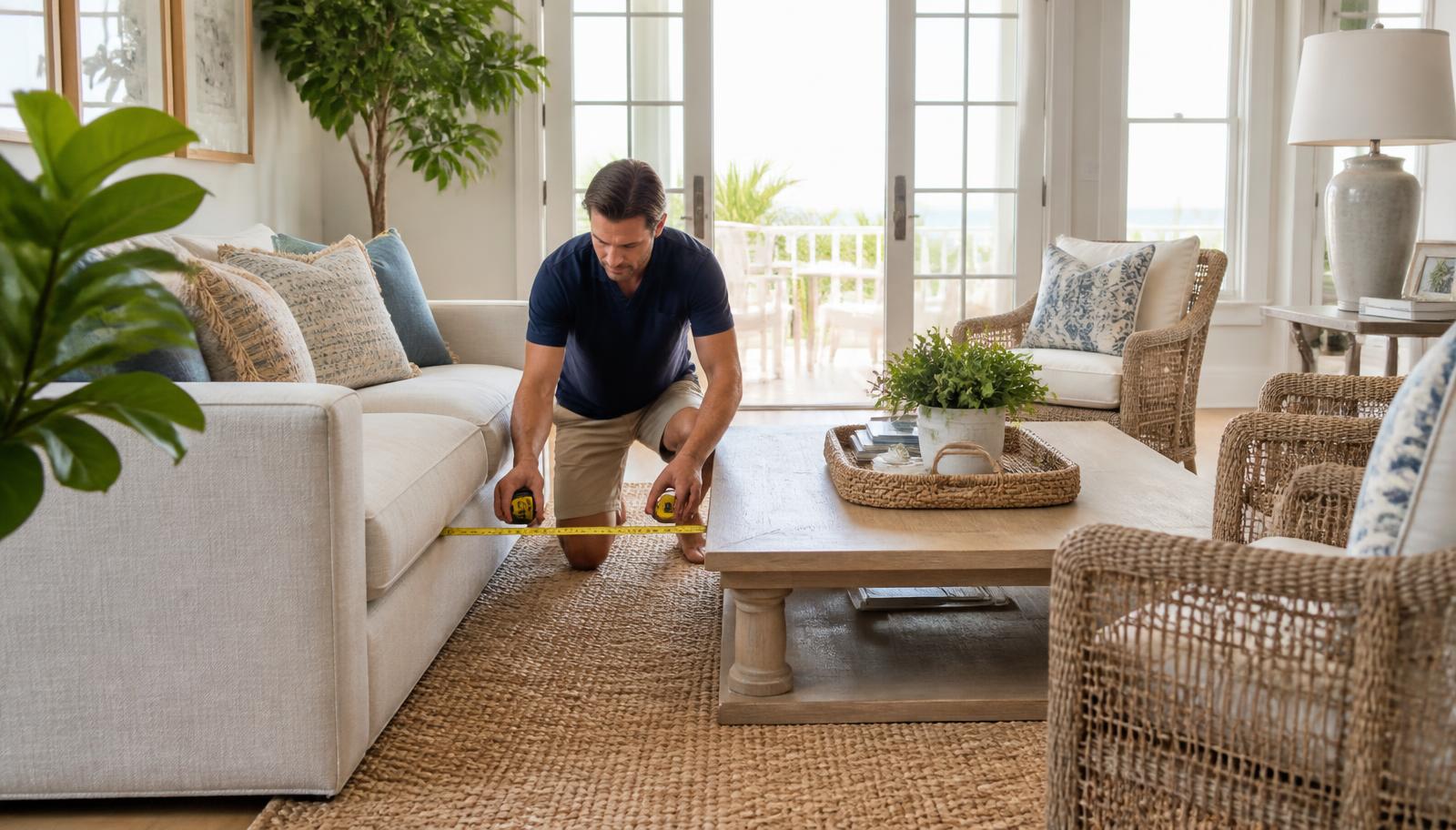
How Much Space Should You Leave Between Furniture? A Homeowner's Room Layout Guide
Furniture that fits isn’t the same as furniture that works. A practical guide to walkways, seating clearances, and the spacing decisions that quietly make a home easier to live in — with a printable checklist.
Knowledge GuideRead Article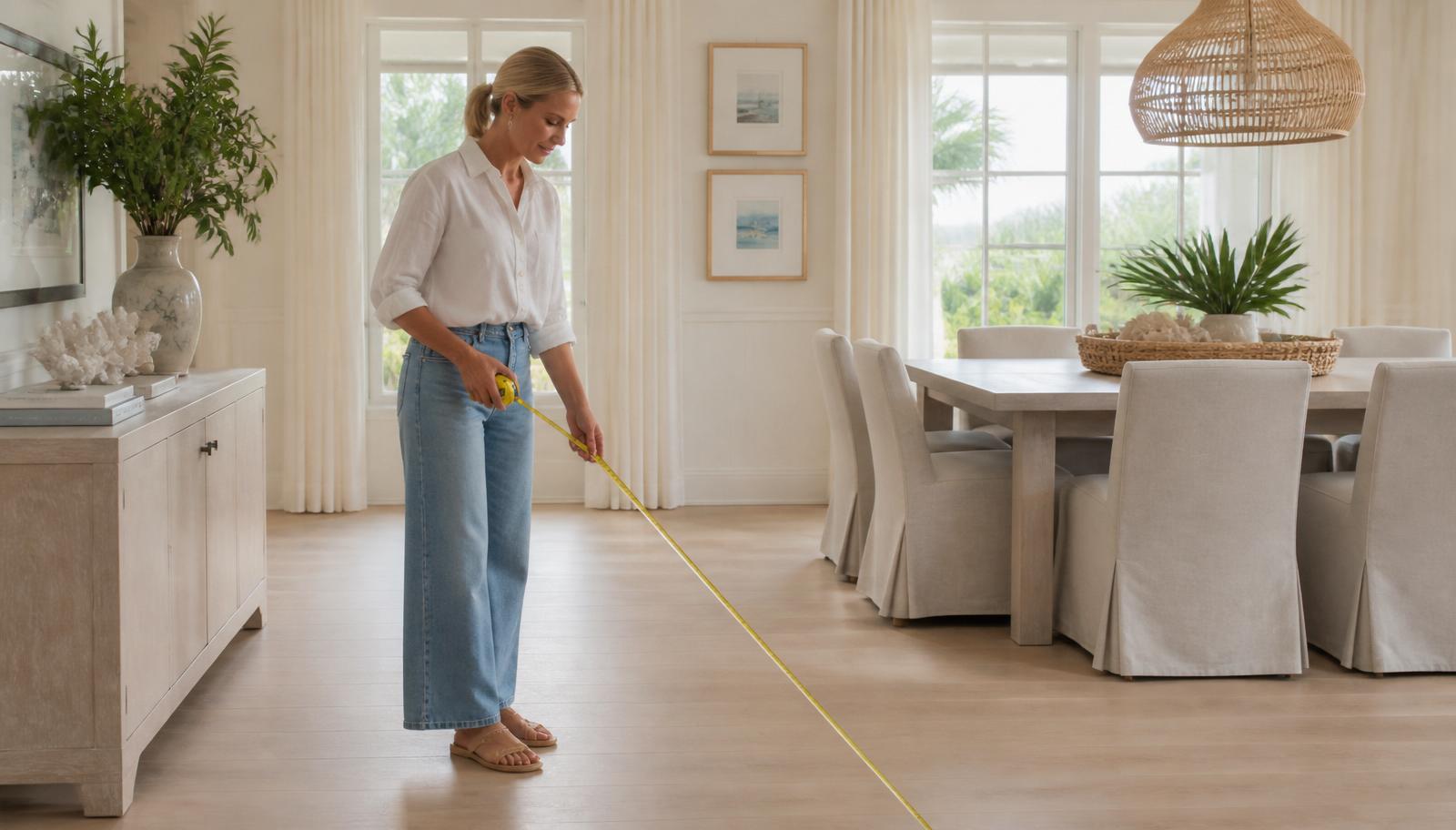
What Size Dining Table Fits Your Room? A Practical Homeowner's Guide
The biggest table is rarely the best one. Here is how to size a dining table using your actual room dimensions, walking space, and everyday seating needs.
Knowledge GuideRead ArticleQuick answers
Frequently asked questions
How often should I reevaluate my home's functionality?
Every few years or whenever a significant life change occurs, such as retirement, relocation, remote work, children leaving home, or family members moving in.
Does reevaluating my home mean I need to renovate?
No. Small adjustments to layout, storage, furniture, and routines can often make a significant difference.
What is the biggest sign my home no longer fits my lifestyle?
When everyday activities consistently feel more complicated or stressful than they should.
Should I redesign my home before retirement?
Planning early may create more options and help your home support future needs.
Do life changes impact how a home should function?
Yes. Homes that evolve alongside life's transitions often provide greater comfort and functionality.