
The Florida Homeowner's Comfort Guide: Creating a Home That Feels Better Every Day
Reviewed & curated by Maria BanouHome Life AdvisorPublished July 15, 2026Updated September 4, 20265 minute read
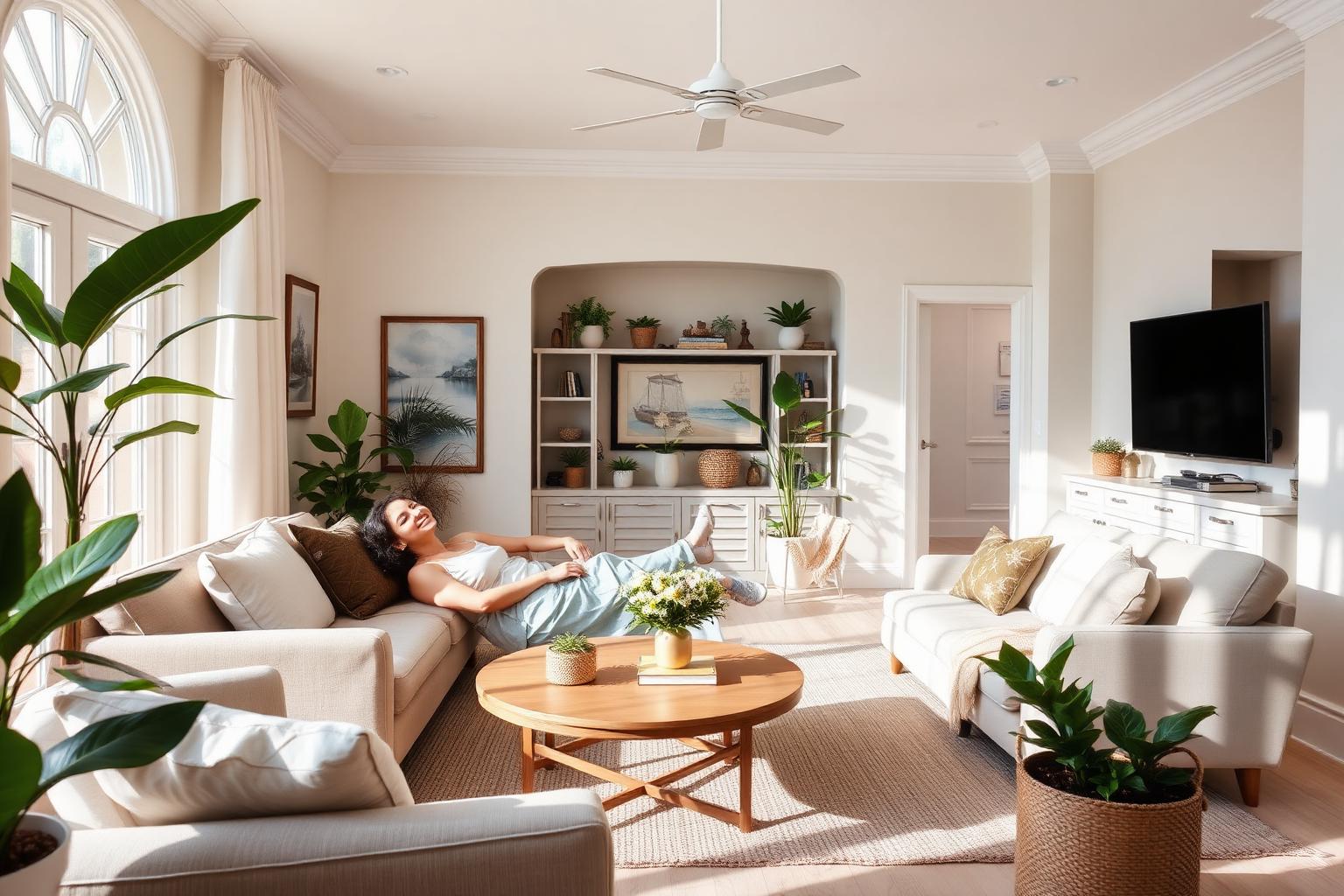
Many homeowners assume comfort comes from bigger homes, newer furniture, or expensive upgrades. In reality, comfort is often influenced by smaller factors such as room layout, humidity, sleep quality, lighting, airflow, and how well a home supports your daily lifestyle. This Florida Homeowner's Comfort Guide explores practical ways to create a more comfortable home while helping you make smarter decisions that improve everyday living.
Introduction
When most people think about home comfort, they often picture large renovations, luxury furniture, or expensive upgrades.
Yet many homeowners discover that true comfort comes from something much simpler.
A comfortable home supports the life happening inside it.
It helps you sleep better, move through your day more easily, feel less stressed, and enjoy the spaces you spend the most time in.
This is especially true in Florida, where heat, humidity, sunlight, seasonal weather, and indoor living conditions can all influence how a home feels.
Many homeowners find themselves adapting their homes over time without fully realizing it. A room that worked perfectly ten years ago may no longer support today's lifestyle. Furniture that once felt comfortable may no longer provide the same support. Small inconveniences gradually become part of daily life.
One practical approach is to occasionally step back and evaluate your home from a comfort perspective rather than simply focusing on appearance.
Comfort is not a luxury.
It is part of creating a home that supports your lifestyle.
Comfort Starts with How You Use Your Home
Many homeowners focus heavily on decorating while overlooking functionality.
A beautiful room that is difficult to navigate rarely feels comfortable for long.
Think about how you actually use each space.
Do family members naturally gather there?
Is it easy to move around furniture?
Does the room support its intended purpose?
Every home is different, but comfort often begins with creating spaces that work with daily routines rather than against them.
The Florida Humidity Factor
Florida homeowners face a challenge that many homeowners across the country never experience.
Humidity.
Excess humidity can affect:
- Sleep quality
- Indoor comfort
- Furniture longevity
- Flooring
- Air quality
A home that is too humid often feels warmer than the thermostat suggests.
Understanding indoor humidity levels can help homeowners identify comfort issues that are otherwise difficult to explain.
Maria's Pick: Indoor Humidity Monitor
Many homeowners are surprised to learn how much humidity levels fluctuate throughout the year. Monitoring indoor humidity can provide valuable insight into comfort issues and help homeowners make more informed decisions about their living environment.
Airflow Matters More Than Most Homeowners Realize
Temperature is only part of the comfort equation.
Air movement plays a significant role in how comfortable a room feels.
Even a properly cooled room may feel uncomfortable if air circulation is poor.
Consider:
- Ceiling fan direction
- Furniture placement
- Obstructed vents
- Room layout
One practical habit is walking through your home and checking whether furniture blocks airflow from vents or windows.
Small adjustments can sometimes make noticeable improvements.
Better Sleep Begins with the Environment
Many homeowners focus on mattresses alone when discussing sleep.
The reality is that sleep comfort is influenced by multiple factors.
These include:
- Room temperature
- Humidity
- Lighting
- Noise
- Mattress condition
Creating a better sleep environment may improve overall comfort throughout the home.
Florida homeowners often benefit from paying extra attention to cooling and humidity management in bedrooms.
Maria's Pick: Blackout Curtains
Reducing excess sunlight can help maintain a more comfortable bedroom environment, particularly during Florida's warmer months. Blackout curtains may also help improve sleep quality by creating a darker and more relaxing sleeping space.
Furniture Should Support Comfort, Not Just Style
Furniture is one of the most significant contributors to everyday comfort.
Many homeowners purchase furniture based primarily on appearance.
Over time, they discover that appearance alone does not determine satisfaction.
Questions worth considering include:
- Does the furniture fit the room?
- Is it comfortable for daily use?
- Does it support aging in place?
- Does it encourage gathering and relaxation?
Comfort often comes from choosing furniture that supports the way you actually live.
Lighting Influences Mood and Comfort
Lighting is frequently overlooked when evaluating a home's comfort level.
Natural light can make spaces feel larger, brighter, and more welcoming.
At the same time, excessive sunlight may increase heat and glare.
A balanced approach often works best.
Many homeowners find success using layered lighting:
- Natural daylight
- Ambient lighting
- Task lighting
- Accent lighting
This flexibility allows rooms to adapt throughout the day.
Organization Reduces Everyday Stress
Comfort is not only physical.
It is also mental.
A home that feels chaotic can create unnecessary stress.
This does not mean every room must be perfectly organized.
Instead, focus on creating systems that support daily life.
Examples include:
- Organized entryways
- Simple storage solutions
- Accessible frequently used items
- Reduced clutter in high-traffic areas
Small improvements often create noticeable benefits.
Maria's Pick: Home Organization Label Maker
Creating simple systems for storage and organization can make everyday life easier. A label maker is a practical tool that may help homeowners maintain organized spaces with less ongoing effort.
Your Home Should Evolve With You
One of the most important homeowner lessons is recognizing that homes are not static.
Lives change.
Families grow.
Children move out.
Retirement arrives.
Work habits evolve.
The home that fit your life ten years ago may not fit your life today.
Periodically evaluating comfort can help homeowners make thoughtful decisions before small frustrations become larger problems.
Comfort Is a Lifestyle Decision
Many homeowners spend years searching for comfort through major purchases or renovations.
In reality, comfort is often created through dozens of smaller decisions working together.
Room layout.
Airflow.
Sleep quality.
Furniture.
Organization.
Lighting.
Daily habits.
When combined, these factors can dramatically influence how a home feels.
The goal is not perfection.
The goal is creating a home that quietly supports the people living inside it.
Final Thought
A comfortable home is not necessarily the newest, largest, or most expensive home.
It is the home that supports your daily life with the fewest obstacles.
Many homeowners find that comfort comes from paying attention to how a home feels rather than simply how it looks.
Small improvements, thoughtful decisions, and a willingness to adapt over time can help create a home that becomes more supportive with each passing year.
Thought-Provoking Question
If you were moving into your home today for the first time, what would you change to make it more comfortable?
Need a Second Opinion?
Whether you're relocating, downsizing, preparing for retirement, welcoming a new family member, furnishing a new home, or simply trying to make smarter home decisions, I'm here to help.
Schedule a complimentary consultation with Maria Banou.
Recommended Next Resource
Your Resource Journey — the next step homeowners take after a resource like this one.
- Fusion Compare™Compare your options side by sideSee the real trade-offs between the choices in front of you.Estimated reading time: 7 min comparisonWhy this is recommendedComparing your options side by side is what turns background reading into a shortlist.Continue
- Decision GuideDecide with a complete guideEverything that matters for this decision, in the order it matters.Estimated reading time: 8 min readWhy this is recommendedYou've done the background — this guide brings the whole decision together in one place.Continue
- AssessmentCheck where you actually standA short evaluation that turns general guidance into your situation.Estimated reading time: 4 min assessmentWhy this is recommendedA short evaluation applies everything you've read to your own home rather than the general case.Continue
Furniture Collection
Choosing pieces that fit the room, the household and the years ahead.
Keep going
Helpful next steps
Complimentary, no-pressure resources that follow the decision you're working through.
Florida Homeowner Hub
Florida-specific homeowner considerations, season by season.
Learn moreMy Home — Care & Maintenance
Track what your home needs and when it was last done.
Learn moreHomeowner Planning Tools
Complimentary calculators and planners for real home decisions.
Learn moreAsk Maria
Talk through the decision you're actually making and get practical guidance.
Learn moreWas this guide helpful?
If you have an idea or suggestion that could help more homeowners, we'd love to hear it.
Talk it through
Planning your next home decision?
Whether you're evaluating a home, furnishing a room, improving sleep, relocating, downsizing, or simply trying to make smarter home decisions, Total Home Fusion provides practical guidance before you invest your time and money.
About the author
About Maria Banou
Maria Banou is the founder of Total Home Fusion, a homeowner decision platform focused on helping people think through the practical choices surrounding where they live, what they buy for their homes, and how their homes support everyday life. Her work includes furniture selection, sleep comfort, room planning, relocation, downsizing, Florida homeowner considerations, aging-in-place planning, and practical home decision guidance.
- Furniture Selection
- Sleep Comfort
- Room Planning
- Downsizing & Relocation
- Florida Homeowner Guidance
- Aging in Place Planning
- Home Decision Guidance
Connected guidance
More Homeowner Insights
Related resources from the Fusion Library™, chosen to continue the same decision.
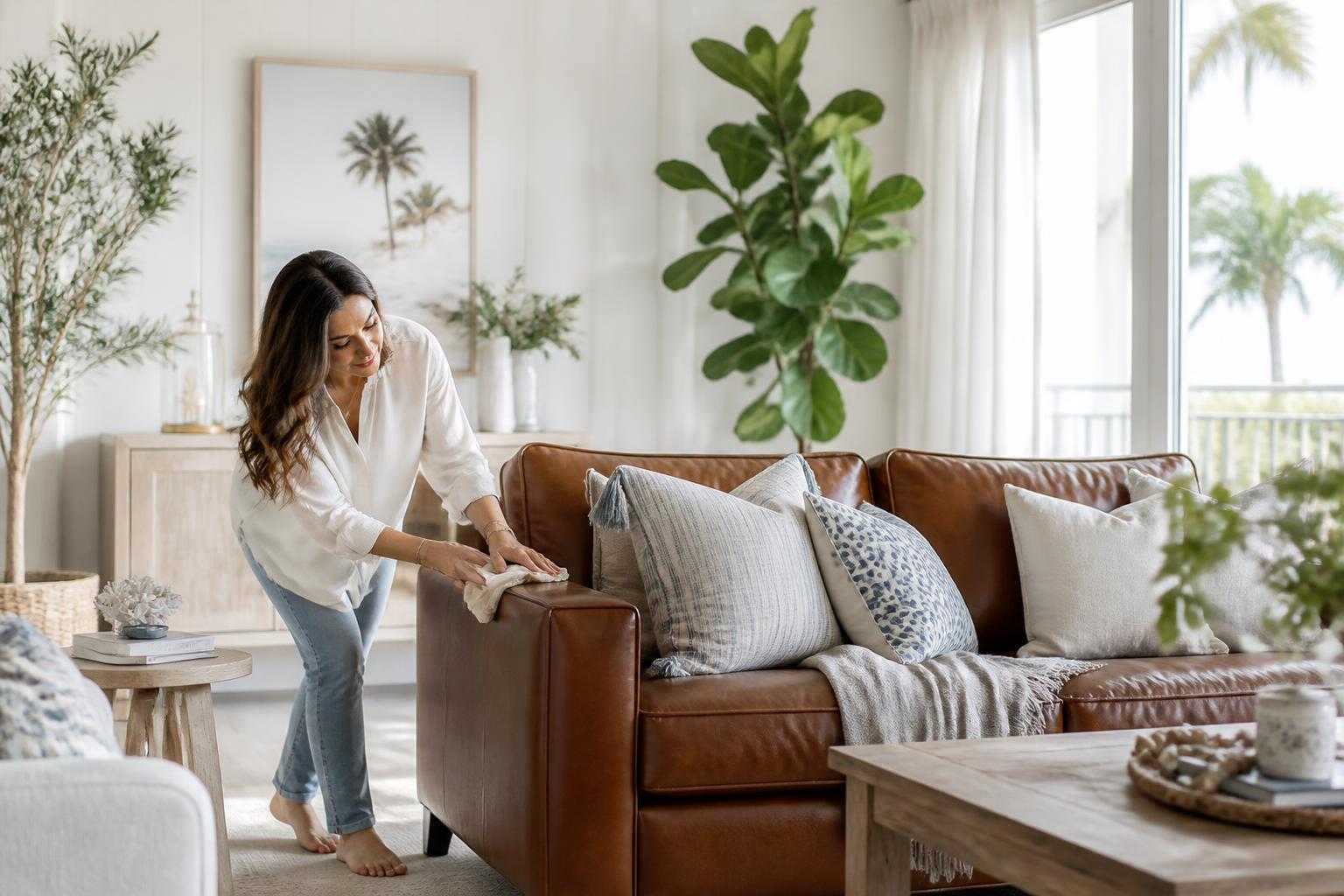
Can Leather Furniture Crack in Florida? Here’s What Homeowners Should Know
Humidity gets the blame, but it’s usually not the culprit. A practical look at how Florida’s heat, air conditioning, sunlight, and daily habits shape leather furniture over time — and the simple care rhythm that helps it last.
Knowledge GuideRead Article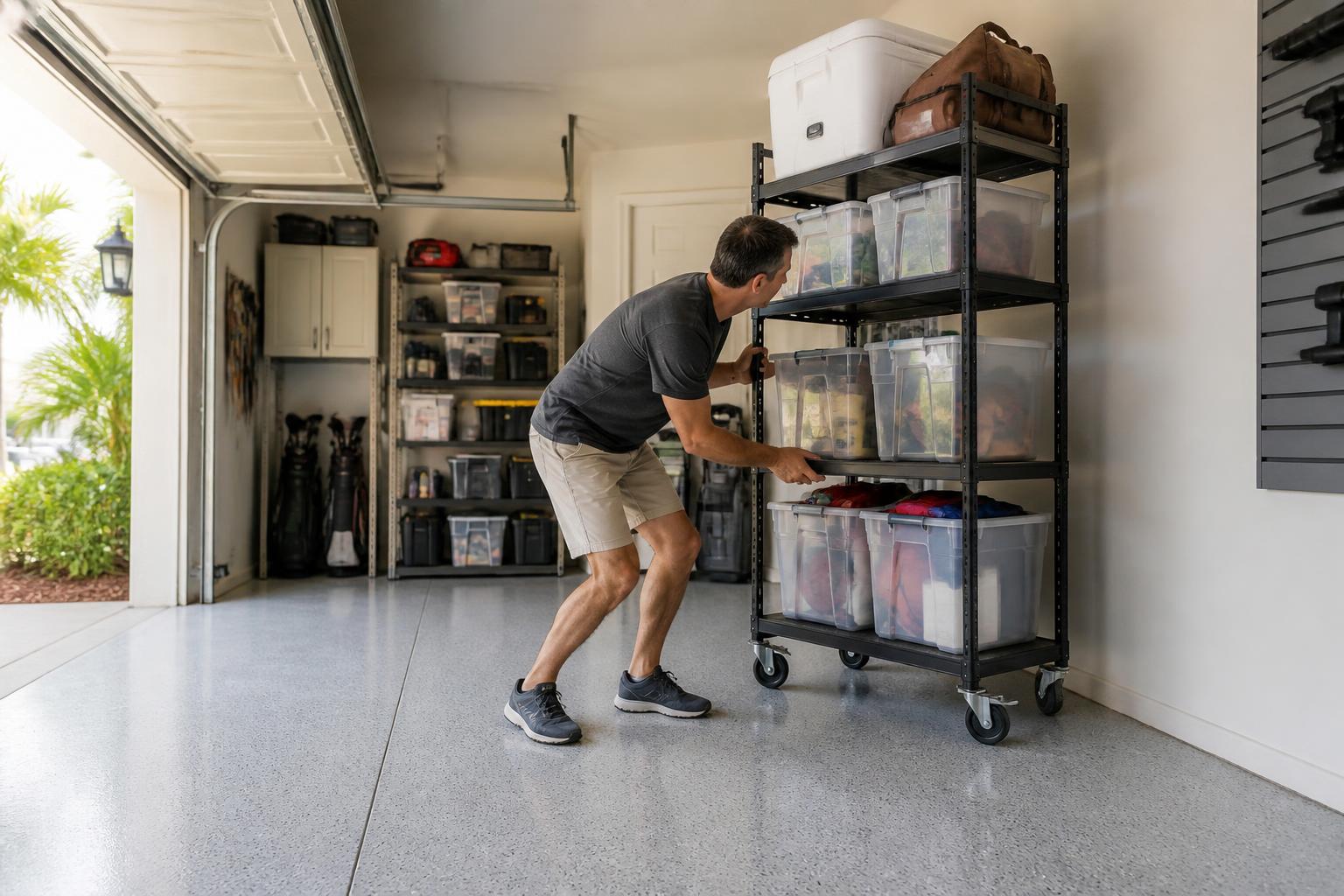
What Should Never Be Stored Against a Garage Wall?
Almost every homeowner pushes boxes, bins, shelving and cabinets tight against the garage walls, because every inch you move outward gives an inch back to the middle. It looks efficient, and in floor-space terms it is. But garage walls, corners and floor transitions are one of the few places a home is still plainly visible to you. Storage does not only occupy space — it can quietly remove your ability to notice a change. This guide introduces the Garage Perimeter Visibility Test, the Storage Visibility Tax, and the idea of an inspection gap instead of an arbitrary clearance number, so you can keep the storage you need without going blind to the building behind it.
Knowledge GuideRead Article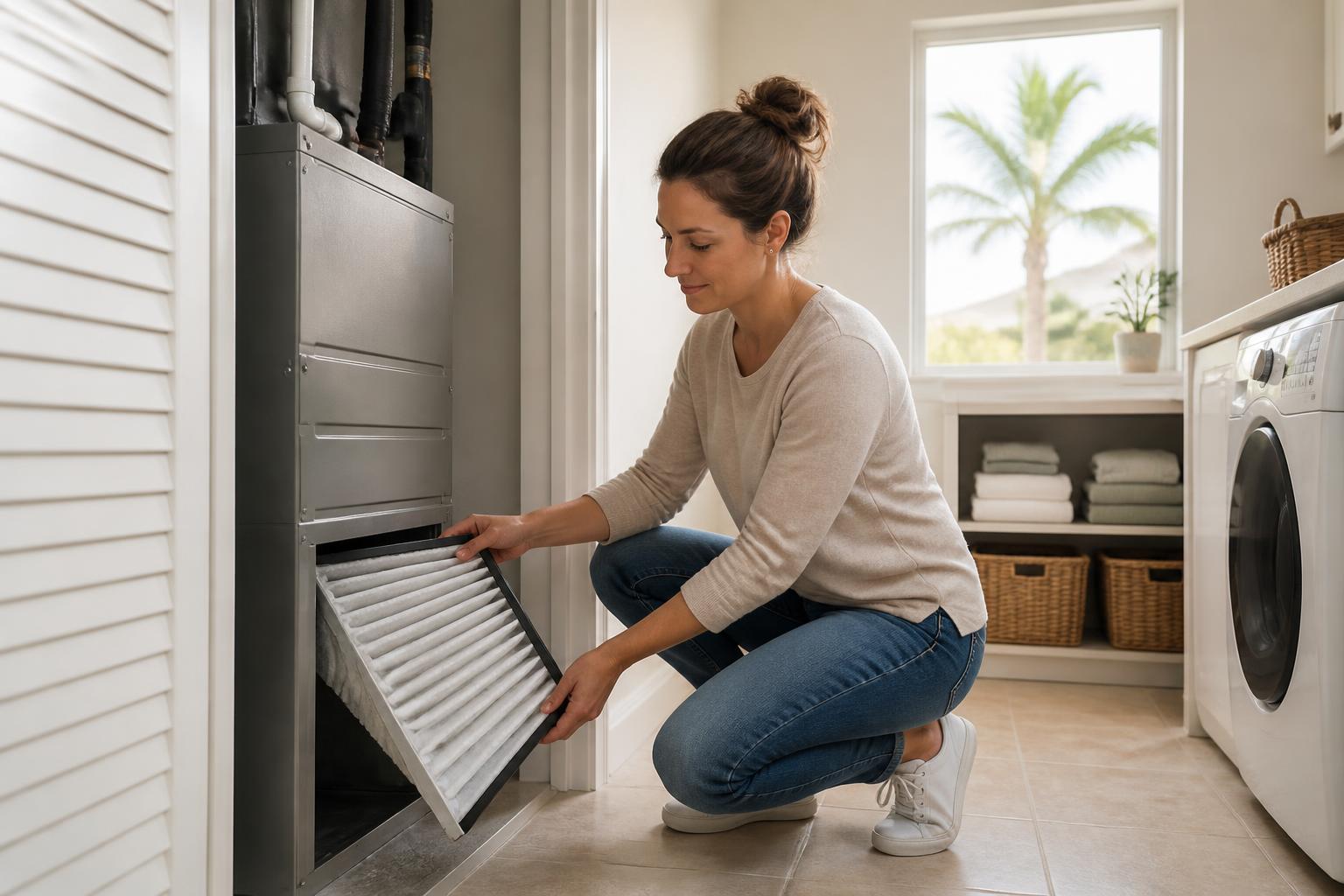
How Often Should You Change Your AC Filter? A Homeowner's Practical Guide
Most homeowners know they should change the AC filter. Far fewer know when. The honest answer depends less on the calendar and more on how your home is lived in — pets, people, Florida's year-round cooling, and the routine you will actually keep.
Knowledge GuideRead ArticleQuick answers
Frequently asked questions
What affects comfort most in a Florida home?
Many factors contribute to comfort, including humidity, airflow, room layout, furniture, lighting, and sleep conditions. Often, improving several small areas creates a greater impact than making one large upgrade.
How can I make my home feel cooler without lowering the thermostat?
Improving airflow, managing humidity, using ceiling fans properly, and reducing direct sunlight through windows may help improve comfort without relying solely on air conditioning.
Does furniture placement affect comfort?
Yes. Furniture placement can influence traffic flow, conversation areas, accessibility, and airflow. Small adjustments may improve how a room functions and feels.
Why is humidity important in Florida homes?
High humidity can make homes feel warmer, affect indoor comfort, and potentially impact furniture and finishes. Monitoring humidity levels can help homeowners better understand indoor conditions.
How often should homeowners reevaluate their home's comfort?
Many homeowners find it beneficial to reevaluate comfort whenever significant life changes occur, such as retirement, relocation, family changes, or shifts in how rooms are used.